Oil seeds are one of the most important agricultural commodities in India and around the world. They are the primary source of edible oils, industrial oils, biofuels, and animal feed. The oil extraction industry plays a crucial role in meeting the growing demand for cooking oil and other oil-based products. With modern oil expeller machines and processing solutions Azad Engineering stands as a leading manufacturer in the oil mill industry to help achieve higher oil recovery, better quality, and efficient production.
In this detailed blog, we will discuss some of the most important oil seeds, their characteristics, oil content, and applications.
Oil Seeds Examples
There are lots of oil seeds that are widely used in oil industries across the world. However, some oil seeds are more commonly cultivated and processed due to their high oil content, strong market demand, and multiple applications. These oil seeds examples play a major role in the edible oil industry as well as in industrial and commercial sectors.
1. Groundnut (Peanut)
Groundnut is one of the major oil seed crops cultivated in India, China, and Africa. It contains approximately 40–50% oil content, making it highly profitable for oil extraction industries.
Groundnut Oil
Groundnut oil is light yellow in color with a pleasant aroma and mild taste.
Uses:
- Cooking and deep frying
- Snack food production
- Bakery industry
- Soap and cosmetic manufacturing
Benefits:
- Rich in Vitamin E
- Contains healthy monounsaturated fats
- Good for heart health when used in moderation
Groundnut oil is widely used in households and commercial kitchens due to its stability at high temperatures.
2. Mustard Seed
Mustard is one of the most important oil seed crops in North India. It has an oil content of around 35–40%.
Mustard Oil
Mustard oil has a strong flavor and pungent aroma, which makes it popular in Indian cooking.
Uses:
- Cooking and frying
- Pickle preparation
- Ayurvedic and medicinal applications
- Massage oil
Benefits:
- Contains omega-3 fatty acids
- Known for antibacterial and antifungal properties
- Helps improve digestion
Mustard oil is especially popular in states like Punjab, Haryana, Rajasthan, and West Bengal.
3. Soybean
Soybean is one of the largest sources of vegetable oil in the world. It contains around 18–20% oil content and is also rich in protein.
Soybean Oil
Soybean oil is light in texture and neutral in taste.
Uses:
- Edible cooking oil
- Processed foods like chips and snacks
- Margarine and shortening
- Industrial products such as biodiesel
Benefits:
- Contains polyunsaturated fats
- Source of omega-6 fatty acids
- Economical and widely available
Soybean oil plays a major role in both domestic and industrial sectors.
4. Sunflower Seed
Sunflower seeds contain about 30–45% oil content. They are widely grown due to their high oil yield.
Sunflower Oil
Sunflower oil is light, clear, and healthy for cooking.
Uses:
- Frying and baking
- Salad dressings
- Margarine production
Benefits:
- High in Vitamin E
- Low in saturated fats
- Good for heart health
Sunflower oil is considered one of the healthier cooking oil options.
5. Sesame (Til)
Sesame is one of the oldest oil seed crops known to humans. It has a very high oil content of around 45–50%.
Sesame Oil
Sesame oil has a rich aroma and nutty flavor.
Uses:
- Cooking and seasoning
- Ayurvedic medicine
- Hair and skincare products
Benefits:
- Rich in antioxidants
- Supports heart health
- Long shelf life due to natural stability
Sesame oil is commonly used in South Indian and Asian cuisines.
6. Castor Seed
Castor seeds contain 45–50% oil content and are mainly used for industrial purposes.
Castor Oil
Castor oil is thick and pale yellow in color.
Uses:
- Lubricants
- Pharmaceuticals
- Cosmetics
- Paints and coatings
Castor oil is not used as edible oil but has strong demand in industrial sectors.
7. Cottonseed
Cottonseed is a by-product of cotton farming. It contains around 15–20% oil.
Cottonseed Oil
After refining, cottonseed oil becomes suitable for cooking.
Uses:
- Edible oil after processing
- Food processing industry
- Animal feed (oil cake)
Cottonseed oil is commonly used in commercial food production.
Importance of Oil Extraction Technology
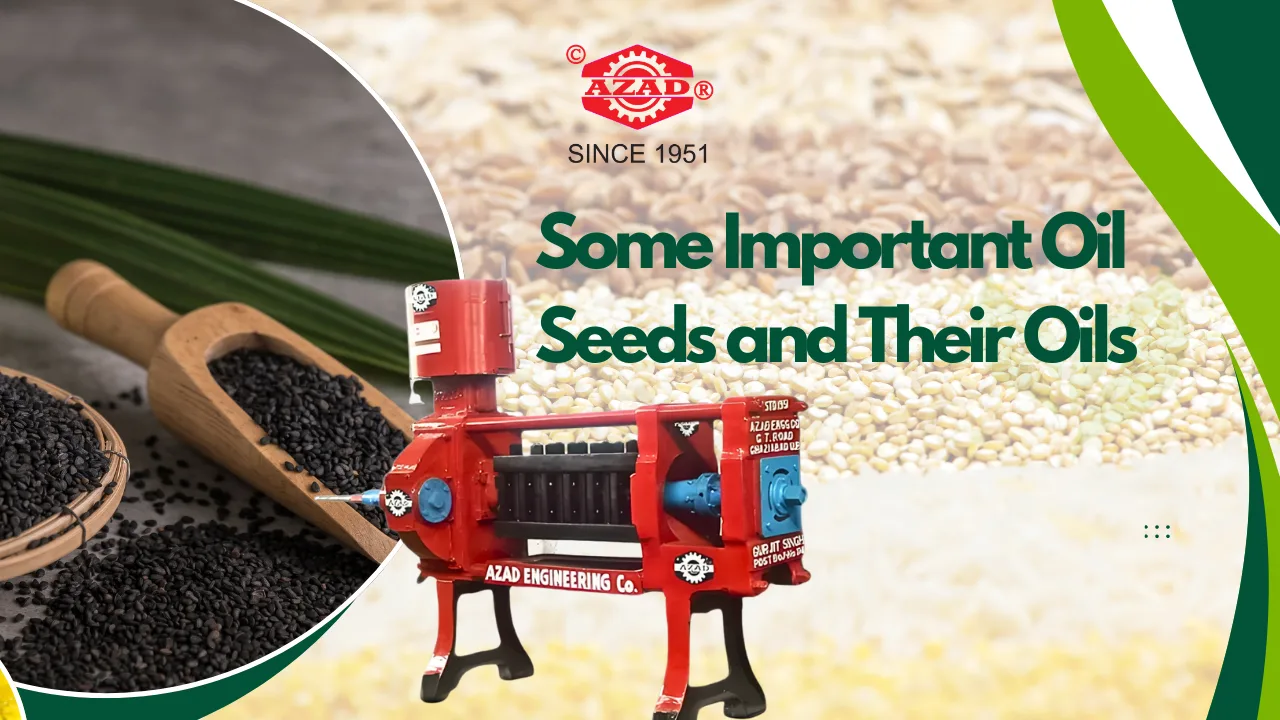
The quality and quantity of oil extracted from oil seeds depend largely on the oil expeller machine and processing method used. Modern oil expellers ensure:
- Maximum oil recovery
- Low power consumption
- Strong and durable construction
- Minimal maintenance
- Continuous and smooth operation
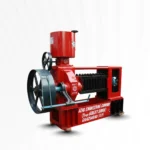
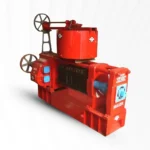
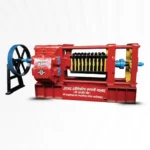
Azad Engineering is a well-known manufacturer of high-performance oil expeller machines. We offer machines suitable for processing various oil seeds such as groundnut, mustard, sesame, sunflower, soybean, and cottonseed. Our product range includes Mustard Oil Expeller, Soybean Oil extraction Machine, Groundnut Oil Extraction Machine or more types of oil extractors. Our oil expellers are built with high-grade materials and advanced technology to provide better efficiency and long service life.
With strong manufacturing standards and customer-focused solutions, we supports oil mill businesses in increasing productivity and profitability.
Conclusion
Oil seeds are the backbone of the edible oil and industrial oil industry. Each oil seed has unique properties, oil content, and applications. From groundnut and mustard to soybean and sunflower, these crops fulfill the growing global demand for oils.
By using advanced oil extraction machines from Azad Engineering, oil mill owners can achieve higher output, improved oil quality, and better operational efficiency. Investing in the right machinery ensures long-term success in the competitive oil processing industry.